
Coverage Explorer
Your Boat on the Water
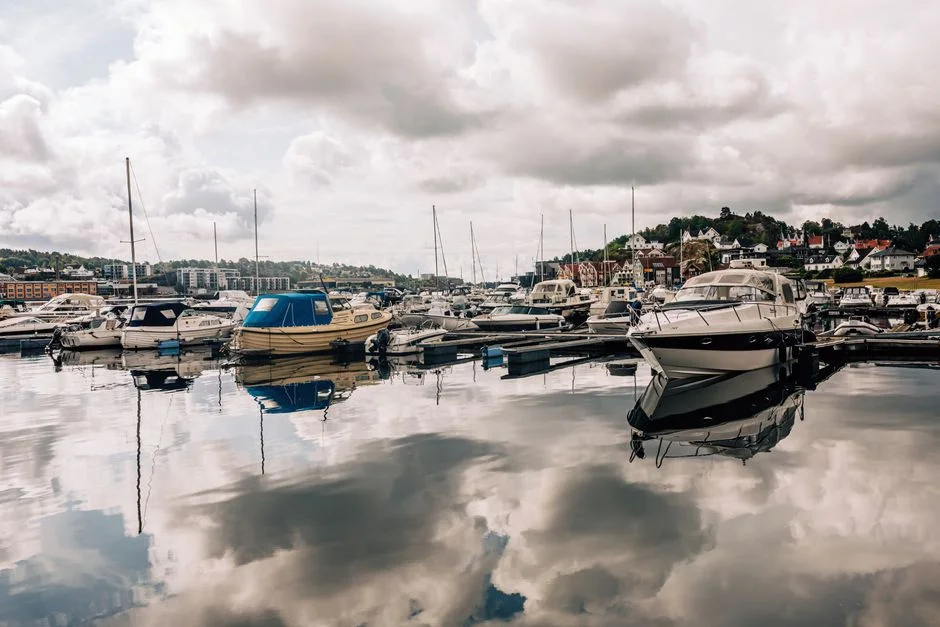
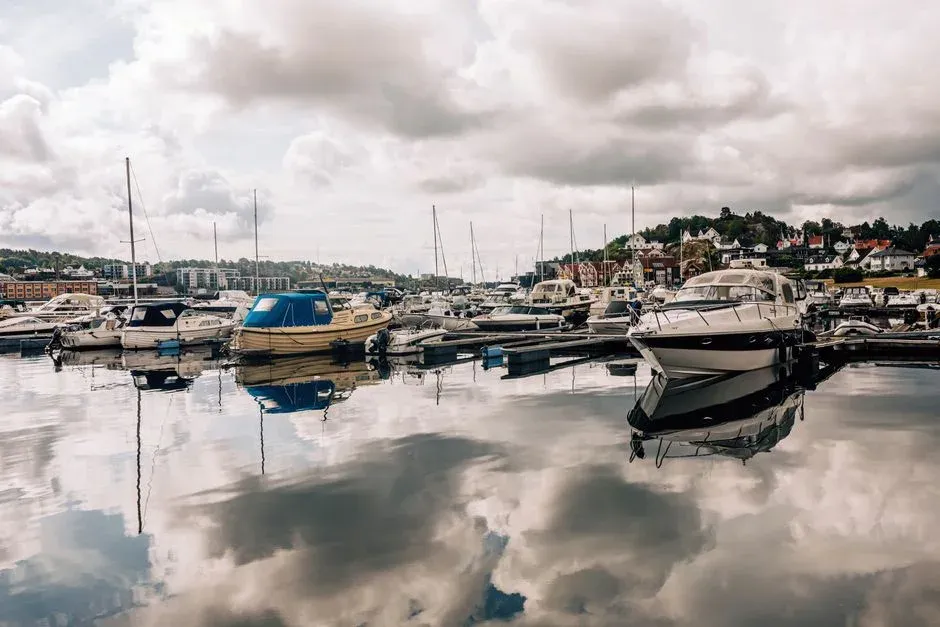
Out on the May River, Calibogue Sound, or trailering to the coast, your boat faces risks a homeowners policy won’t fully handle. Explore the marina below to see how boat coverage generally responds. General education, not a coverage determination — your GSP agent confirms your specific policy.
Tap a marker on the home to explore each risk and how coverage generally responds.
-
01
Hull & Physical Damage
Collision, grounding, sinking, stormThe risk
Collision, grounding, sinking, storm. A boat can be damaged by hitting a submerged object, running aground in a tidal creek, taking on water, or a named storm coming through the marina.
The coverage
Hull / physical damage coverage. Physical damage coverage generally pays to repair or replace the boat after a covered loss, minus a deductible. Agreed-value vs. actual-cash-value affects what you receive on a total loss — worth understanding before a storm.
-
02
Liability
Injuring someone or damaging property on the waterThe risk
Injuring someone or damaging property on the water. Boating brings real liability exposure — injuring a swimmer or skier, hitting another vessel or a dock. Claims can be serious.
The coverage
Watercraft liability (extendable with an umbrella). Boat liability generally covers injuries and property damage you’re responsible for on the water, up to your limit. Many boaters add a personal umbrella for a larger layer of protection.
-
03
Motor & Equipment
The engine is often the most expensive partThe risk
The engine is often the most expensive part. Outboards and inboards are costly, and damage from submersion, debris, or theft can rival the value of the boat itself. Electronics and gear add up too.
The coverage
Machinery / equipment coverage. Physical-damage coverage generally extends to the motor and permanently attached equipment. Confirm how the policy treats lower-unit damage and whether your electronics and gear are scheduled.
-
04
Wreck & Fuel Spill
Removing a wreck and cleaning up fuel are required by lawThe risk
Removing a wreck and cleaning up fuel are required by law. If your boat sinks, you can be legally required to remove the wreck and clean up any fuel or oil spill — costs that can exceed the boat’s value.
The coverage
Wreck removal & fuel-spill liability. These coverages generally pay the legally-required costs of removing your sunken vessel and addressing pollution from a covered loss — exposures a standard homeowners policy won’t handle.
-
05
Trailering & Theft
Risks on the road and at the rampThe risk
Risks on the road and at the ramp. Plenty happens off the water — an accident while trailering, theft of the boat or motor from the driveway or ramp.
The coverage
On-land & theft coverage. Boat policies generally cover the vessel while trailering and against theft, on land and water. Confirm the trailer itself is covered and how the policy handles theft of the motor.
This Coverage Explorer is general education only and is illustrative. It describes common boat and watercraft exposures and how coverage generally responds — it is not insurance advice, a quote, or a coverage determination, and it does not amend, modify, or supplement any insurance policy. Actual coverage, exclusions, deductibles, and limits are governed solely by the terms of your issued policy. No coverage can be bound, changed, or confirmed through this tool. For guidance on your specific vessel, speak with a licensed GSP Insurance Group producer and refer to your actual policy.
Questions about your coastal coverage?
Every home is different. Talk with a licensed GSP producer and we'll review your specific policy and exposures.