
Personal Insurance
Homeowners Insurance
Your home is likely your most valuable asset. We help South Carolina homeowners compare real coverage — not just price — across the carriers we represent.
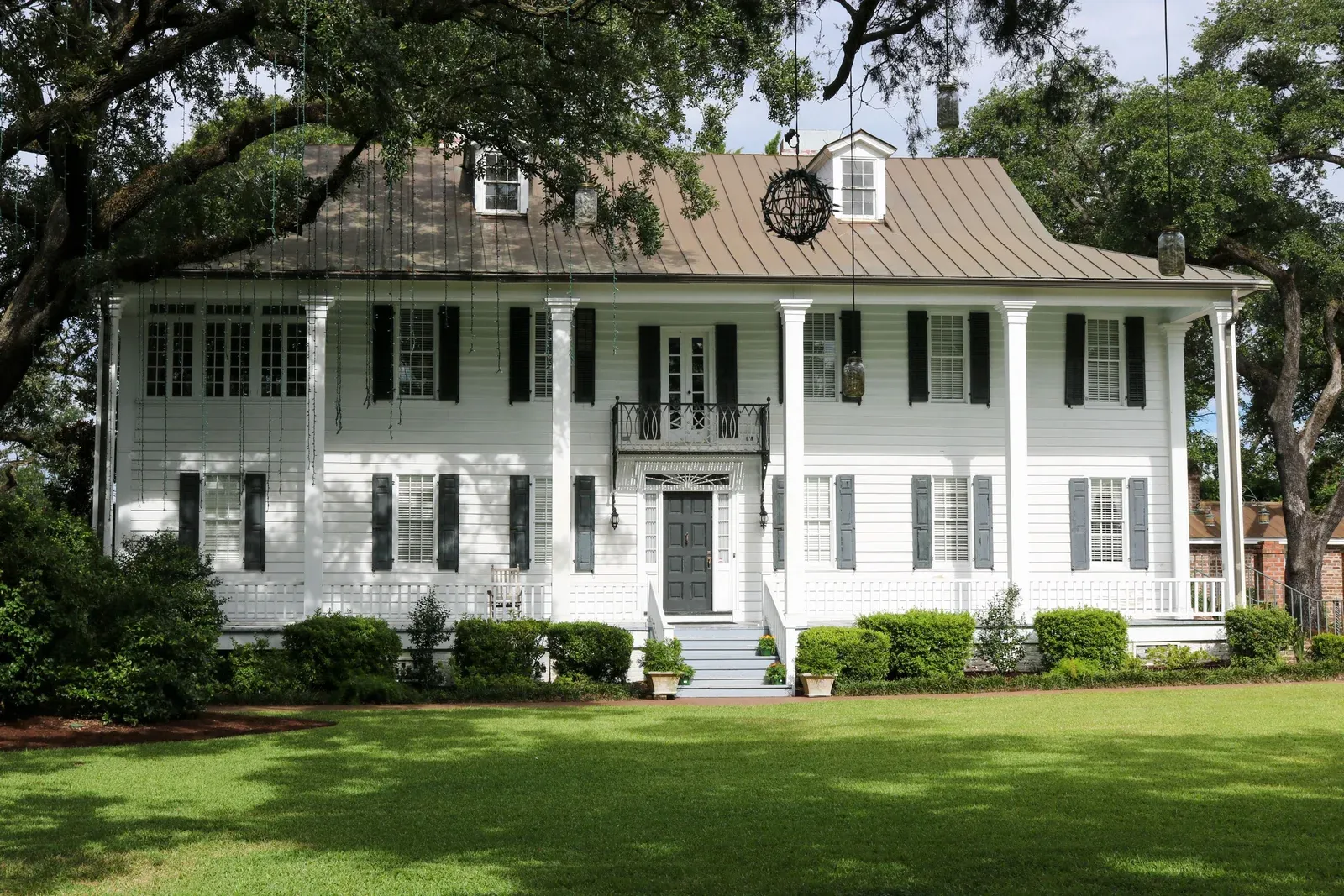
See your risks on a real Lowcountry home
General education only, not a coverage determination. Full disclaimer
This Coverage Explorer is general education only and is illustrative. It describes common coastal exposures and how coverage generally responds — it is not insurance advice, a quote, or a coverage determination, and it does not amend, modify, or supplement any insurance policy. Actual coverage, exclusions, deductibles, and limits are governed solely by the terms of your issued policy and the insurer's determination. No coverage can be bound, changed, or confirmed through this tool. For guidance on your specific home and situation, speak with a licensed GSP Insurance Group producer and refer to your actual policy.
Need a Homeowners Insurance comparison in Bluffton?
If you’re like most homeowners in Bluffton, your home is your most valuable asset, and should be protected as such. When your home is damaged or destroyed, you need your claim settled by an insurance company that understands the importance of the place you call home.
GSP Insurance Group can help you find the best homeowners insurance that will best meet your needs and provide the most valuable combination of tailored coverage, quality service and competitive pricing.
Note: if you are looking for homeowners insurance for a rental property, or home that is un-occupied, you cannot use traditional homeowners insurance. You need a “specialty dwelling” policy which we can also help you with.
Regardless of whether you live in Bluffton or any other part of South Carolina, homeowners insurance is one of the most important insurance policies you could ever own.
It’s important to understand that no two homeowners insurance policies are created equal though. Different insurance companies offer different levels of coverage, different endorsements and riders, and have different conditions and limitations.
Bluffton Homeowners Insurance
If you’re not using an independent agent in Bluffton like us, it can be hard, if not impossible to tell the difference between two homeowners insurance policies.
Whether you own or rent, insuring the place you call home can help protect you financially if you suffer a loss due to fire, theft, vandalism, or other covered events. It will also cover you in the event someone is injured while on your property and wins a legal judgment against you.
Homeowners insurance policies differ by which losses are covered, which coverages you choose, and what type of residence you own. You choose which policy is best for you, whether it’s a comprehensive policy that covers losses such as fire, hail, smoke, falling objects, vandalism and theft of personal property, or whether it’s a policy that covers only specified losses.
Common Homeowners Insurance Coverages
These are some common coverages you typically see on a policy:
Dwelling — this is the portion of your policy that covers the actual structure (main house). The cost to replace your home can fluctuate from time to time based on the cost of raw material and labor, and of course, supply and demand.
We’ll run a replacement cost analysis on your home to see how much it would actually cost if the worst happened and you had to rebuild.
Other Structures — this covers any structure on your property that is not permanently attached to your house, like fencing, driveways, sidewalks, and detached buildings like sheds and garages. Usually this coverage is 10% of whatever your Dwelling limit is, but can be increased if you need more coverage.
Personal Property — this covers all of your personal belongings like clothing, furniture, electronics, and appliances. Basically anything that would fall out of your house if you turned it upside down and shook out the contents.
Loss of Use — this covers your living expenses if you need to live somewhere else temporarily because your primary home is uninhabitable due to a loss.
Medical Expense —this covers medical expenses for guests if they are injured on your property, and in certain cases covers people who are injured off of your property. It does not cover health care costs for you or other members of your household.
Family/Personal Liability — Personal Liability Coverage applies if someone is injured or their property is damaged and you are to blame. The coverage generally applies anywhere in the world. When choosing your liability coverage limits, consider things like how much money you make and the assets you own. Your personal liability coverage should be high enough to protect your assets if you are sued. In some situations, an Umbrella policy may be necessary to provide extra coverage.
Scheduled Personal Property — there are some situations where you might want special coverage for valuables, or collectibles like jewelry, guns, collectibles, rugs, etc..
How to get started with your homeowners quote:
Every home is unique, and therefore requires a carefully crafted policy. Head to our quotes page to enter some basic information to get started.
Frequently asked questions
What does a standard homeowners policy actually cover?
Does homeowners insurance cover flooding?
Why is my wind or hurricane deductible separate from my regular deductible?
How much dwelling coverage do I need?
Does my roof's age affect my coverage or claim payout?
Can I insure a rental or unoccupied home with a homeowners policy?
Related coverage
Flood Insurance
Homeowners insurance does not cover flood. We help Lowcountry homeowners compare NFIP and private flood policies — before the typical waiting period applies.
Umbrella Insurance
A standalone liability layer above your home and auto policies. It steps in when a big claim exceeds your underlying limits — protecting your assets.
Auto Insurance
Car insurance covers far more than your car. We compare carriers so you have the right liability limits and South Carolina-required coverages — at no extra cost.
Already a client?
Manage your current policy in our service center — make a change, grab a document, or pay your bill.
Ready to talk it through?
Tell us a little about what you need and one of our agents will reach out. We'll shop your coverage and come back with real options.