
Coverage Explorer
Your Lowcountry Home
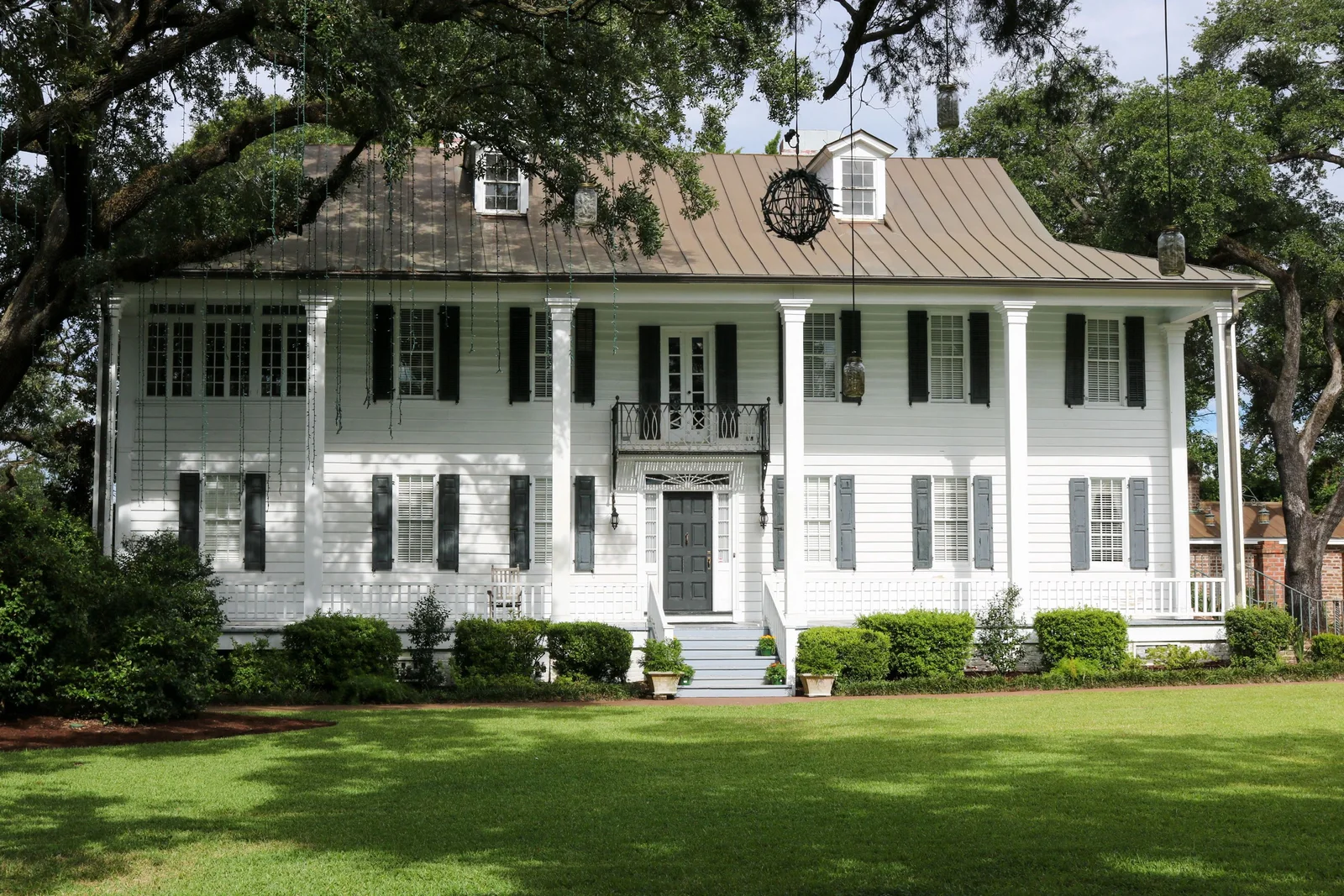
A coastal home in Bluffton, Hilton Head, or Beaufort faces risks an inland policy was never built for — named storms, wind-driven rain, storm surge, and high rebuild costs. Explore the home below to see how the right coverage generally responds to each exposure. This is general education, not a coverage determination — your GSP agent confirms what your specific policy does.
Tap a marker on the home to explore each risk and how coverage generally responds.
-
01
Roof & Wind
Hurricane wind and wind-driven rainThe risk
Hurricane wind and wind-driven rain. The roof takes the worst of a named storm — uplift from hurricane-force gusts and water forced under shingles by wind-driven rain. In coastal South Carolina, wind and hail losses are frequently subject to a SEPARATE deductible from the rest of your policy.
The coverage
Dwelling coverage, with a separate wind/hail deductible. Homeowners dwelling coverage generally responds to wind damage to the roof and structure. Coastal SC policies typically carry a separate wind/hail (or named-storm/hurricane) deductible — often a percentage of the dwelling limit rather than a flat dollar amount — so it is worth knowing that number before a storm.
-
02
Flood & Storm Surge
Rising water and storm surge are NOT covered by home insuranceThe risk
Rising water and storm surge are NOT covered by home insurance. This is the single most misunderstood coastal exposure: damage from storm surge or rising water is generally EXCLUDED by a standard homeowners policy. In the Lowcountry, surge can reach homes well outside the highest-risk flood zones.
The coverage
Separate flood insurance (NFIP or private). Flood damage generally requires a separate flood policy — through the NFIP or a private flood carrier. NFIP policies usually carry a 30-day waiting period, so coverage is something to arrange well before a named storm is in the forecast, not during.
-
03
Windows & Openings
Flying debris and breached openingsThe risk
Flying debris and breached openings. Windows, doors, and shutters are where a storm gets inside. A single breached opening can pressurize the home and lead to far larger structural and interior losses.
The coverage
Dwelling coverage; mitigation can affect your premium. Damage from a covered wind event generally falls under dwelling coverage. Opening protection — impact-rated glass, shutters, or wind-rated doors — can both reduce the risk and, in many cases, affect your premium. SC Safe Home grants can help fund some of these upgrades.
-
04
Porch & Attached Structures
Attached porches catch wind and debrisThe risk
Attached porches catch wind and debris. Covered porches, columns, and attached additions are part of the dwelling but are exposed structures — vulnerable to wind uplift and falling-limb impact during a storm.
The coverage
Dwelling coverage (Coverage A). Attached structures are generally insured as part of the dwelling under Coverage A. The thing to confirm is that your dwelling limit reflects the full cost to rebuild everything attached — porches included — at today’s coastal construction prices.
-
05
Trees & Falling Limbs
Live oaks are beautiful — and heavyThe risk
Live oaks are beautiful — and heavy. The mature live oaks that define a Lowcountry property are also a falling-limb and whole-tree hazard in high wind, capable of significant damage to the roof, vehicles, or other structures.
The coverage
Dwelling/other-structures coverage; debris removal. Damage a fallen tree causes to a covered structure generally falls under your policy, which often includes a limited allowance for debris removal. Coverage for removing a tree that fell WITHOUT hitting a structure is usually limited — worth understanding the cap.
-
06
Rebuild Cost
Coastal rebuild costs run highThe risk
Coastal rebuild costs run high. Rebuilding a coastal home means current materials, labor, and code-required upgrades (wind mitigation, elevation). A policy limit set years ago — or to market value rather than rebuild cost — can leave a serious gap after a total loss.
The coverage
Replacement cost, ideally with extended/guaranteed options. Replacement-cost coverage is generally designed to rebuild at today’s prices rather than pay depreciated value. For higher-value coastal homes, extended or guaranteed replacement cost and ordinance-or-law coverage are worth reviewing so a rebuild is not capped short.
-
07
Detached Structures
Fences, sheds, detached garages, docksThe risk
Fences, sheds, detached garages, docks. Detached structures — fencing, a shed, a detached garage, or a dock — are exposed to the same wind and water as the home but are insured under a separate, often smaller, limit.
The coverage
Other structures (Coverage B). Detached structures are generally covered under Coverage B, typically a percentage of the dwelling limit. If you have significant detached structures — or a dock or boat lift — it is worth confirming that limit is enough and that water-exposed structures are addressed.
-
08
Liability & Guests
A guest injury can exceed home-policy limitsThe risk
A guest injury can exceed home-policy limits. Hosting on a Lowcountry property — pools, docks, gatherings — carries personal-liability exposure. A serious claim or lawsuit can run past the liability limit built into a homeowners policy.
The coverage
Personal liability, extendable with an umbrella. Homeowners policies generally include personal liability coverage up to a set limit. A personal umbrella adds a layer of liability protection across your home and auto for a relatively small premium — often worth it once there are assets or future income to protect.
This Coverage Explorer is general education only and is illustrative. It describes common coastal exposures and how coverage generally responds — it is not insurance advice, a quote, or a coverage determination, and it does not amend, modify, or supplement any insurance policy. Actual coverage, exclusions, deductibles, and limits are governed solely by the terms of your issued policy and the insurer's determination. No coverage can be bound, changed, or confirmed through this tool. For guidance on your specific home and situation, speak with a licensed GSP Insurance Group producer and refer to your actual policy.
Questions about your coastal coverage?
Every home is different. Talk with a licensed GSP producer and we'll review your specific policy and exposures.