
Coverage Explained
Fences, Seawalls, and Bulkheads: What Coastal SC Homeowners Insurance Actually Covers After a Storm
By Tyler Grizzle , Founding Partner · GSP Insurance Group ·
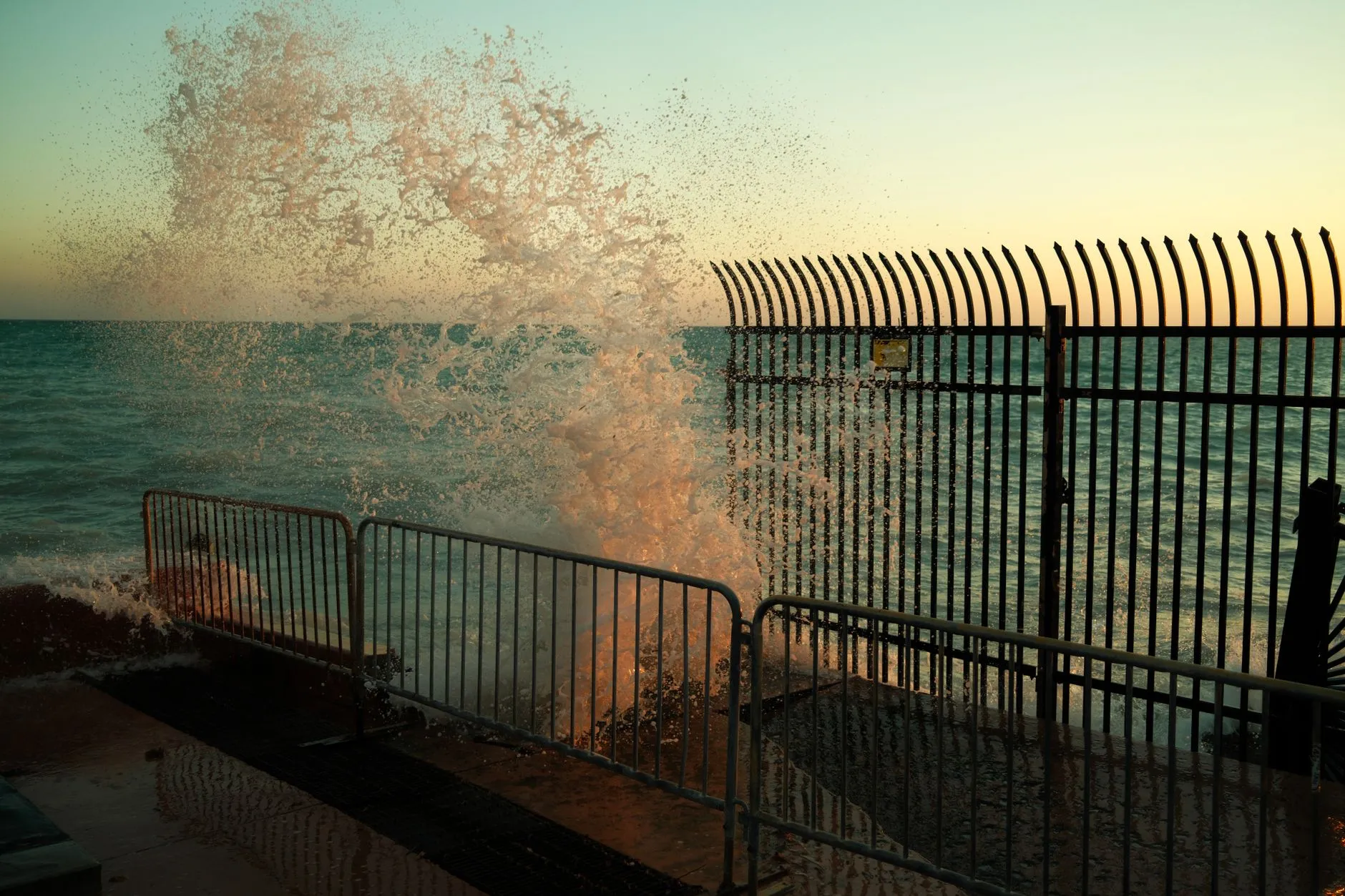
Fences, Seawalls, and Bulkheads: What Coastal SC Homeowners Insurance Actually Covers After a Storm
Last reviewed: June 2025
Coverage descriptions in this post are general education only. Actual coverage depends on your specific policy form, declarations page, and endorsements. Always review your policy documents and consult a licensed agent to confirm what applies to your property.
You’ve ridden out a tropical system, the skies have cleared, and now you’re walking your property on Lady’s Island or along a Bluffton tidal creek. The fence is down in three sections, the wooden bulkhead that keeps your yard from sliding into the marsh has shifted, and the seawall cap has cracked. Before you call a contractor, a critical question surfaces: which of this damage will my homeowners insurance policy actually pay for?
The honest answer: it depends on what caused the damage, what type of structure is involved, and how your specific policy is written. Some of this damage may be covered. Some of it almost certainly is not. Understanding the difference before a named event — not after — is what separates a manageable loss from an out-of-pocket shock.
The Quick Answer: Coverage Is Partial at Best for Seawalls and Bulkheads
Here is the direct answer most Lowcountry property owners need early: standard homeowners insurance policies provide limited coverage for seawalls and bulkheads, and in many cases these structures are excluded entirely or subject to restrictions that significantly reduce or eliminate a payout. Fences generally fare a little better, but they come with their own conditions. A licensed GSP agent will confirm exactly how your insurance policy treats each structure on your specific property.
How Policies Categorize These Structures
Most home insurance policies divide your holdings into key coverage categories. Your dwelling (Coverage A) covers the main structure of your home. Other Structures (Coverage B) typically applies to detached structures — things like fences, detached garages, sheds, and in some cases retaining walls.
The widely used ISO HO 00 03 policy form — the basis for most policies sold in South Carolina — sets Coverage B as a percentage of your dwelling limit and explicitly excludes land, retaining walls not part of a building, and structures used for business. More specifically, retaining walls, seawalls, and bulkheads commonly appear in the exclusions section or are carved out through coverage conditions:
- Fences are generally considered “other structures” and may be covered if a named peril — like wind — causes the damage. However, the wind/hail deductible in coastal SC is often a separate, percentage-based figure, which means the threshold you must clear before the policy pays can be notably higher than a flat deductible.
- Retaining walls, seawalls, and bulkheads are frequently excluded from Coverage B — particularly when damage stems from water, earth movement, or settling, all of which commonly contribute to seawall and bulkhead failure.
- Docks, piers, and boat lifts — common on Lowcountry waterfront properties — are typically excluded from standard policies altogether and require separate endorsements or standalone coverage.
The Cause of Loss Matters as Much as the Structure Itself
Even when a fence is covered under a home insurance policy, the cause of the damage is equally decisive. Consider a real-world Lowcountry scenario: a homeowner on a tidal creek in Dataw Island loses a significant section of their wooden bulkhead during a named event. The damage could stem from wind, surge, saturated soil shifting, or a combination of all three.
Here is where it gets complicated:
- Wind damage may be a named peril — but your coastal insurance policy likely applies a separate wind/hail deductible before the benefit kicks in.
- Surge and flooding — water rising from a tidal source and inundating your property — is not covered by a standard homeowners insurance policy. Flood damage requires a separate policy, typically through the National Flood Insurance Program (NFIP) or a private flood carrier. Importantly, NFIP flood policies also carry strict limitations on coverage for fences, seawalls, and landscaping, so flood insurance is not a blanket solution for these structures either.
- Earth movement and settling — a frequent contributing factor in bulkhead and seawall failure — is typically excluded from property policies.
- Gradual deterioration or lack of maintenance is almost universally excluded. If an adjuster determines a seawall was already compromised before the event, that finding can significantly affect your claim outcome.
The pattern: even a structure that is technically listed under Coverage B can produce a denied or reduced claim if the underlying cause of loss falls into an excluded category.
What the NFIP Says About Outdoor Structures — and Where Private Flood Fills the Gap
If you carry flood insurance through the NFIP, it is worth understanding what that policy covers for outdoor structures. Under the NFIP Standard Flood Insurance Policy Dwelling Form (44 CFR Part 61, Appendix A(1)), standard building coverage does not extend to fences, seawalls, retaining walls, decks, patios, or similar outdoor features. The NFIP is primarily designed to cover direct physical loss to your dwelling and its foundation, along with essential systems and contents.
This is a genuine gap for waterfront Lowcountry property owners — and one that surprises many people after a weather event, when they discover that neither their homeowners insurance policy nor their flood policy responds to a failed bulkhead.
A composite example that reflects outcomes we see regularly: a Beaufort homeowner filed a bulkhead claim after a named event, expecting either their property policy or their NFIP policy to respond. The property policy denied the structural portion because the adjuster attributed primary cause to soil saturation and earth movement — an excluded peril. The NFIP policy excluded the bulkhead as an outdoor structure not part of the insured dwelling. The homeowner was left absorbing the full repair cost out of pocket. This kind of double-exclusion outcome is not unusual on tidal creek properties, and it is exactly why reviewing your coverage before a weather event matters.
Private flood insurance is worth exploring if you own a waterfront or marsh-adjacent home in the Lowcountry. Some private flood policies offer broader definitions of covered structures and may extend to outdoor features that fall outside NFIP eligibility. Coverage terms vary significantly by policy form, so a GSP agent can help you compare NFIP terms with what private flood alternatives may offer for your specific property — including whether any outdoor structures you care about might be covered.
Also important: the NFIP typically imposes a waiting period before a new policy takes effect. FEMA’s FloodSmart.gov and federal regulation under 44 CFR 61.11 both address when coverage begins, and the practical takeaway is that purchasing a policy after a named system is already forecast will not help you for that event. Planning ahead is essential.
The Coastal SC Wind Deductible Factor
Even when wind damage to a fence is covered, the deductible structure can dramatically affect what actually gets paid. Along the SC coast — from Hilton Head to Beaufort to the Sea Islands — carriers commonly apply a separate wind/hail deductible calculated as a percentage of your dwelling coverage rather than a flat amount. This is a standard feature of coastal home insurance, and it means the out-of-pocket threshold before your policy responds may be substantially higher than homeowners expect.
The South Carolina Department of Insurance consumer resources address wind deductible requirements and disclosures for coastal policyholders, and the Insurance Information Institute provides useful background on how percentage-based deductibles work across coastal markets nationally. A GSP agent can walk through how this dynamic applies to your specific dwelling value and deductible tier so there are no surprises when you need to file.
What About Endorsements? Options That May Help
One of the most common misconceptions about home insurance is that the standard policy form is all that exists. In reality, endorsements and riders can modify or extend coverage in meaningful ways — and for Lowcountry waterfront owners, it is worth asking about them explicitly.
A few endorsement types worth discussing with your agent:
- Scheduled structures endorsement: Some carriers allow you to specifically list and insure outdoor structures — including seawalls, bulkheads, or retaining walls — on a scheduled basis, much like scheduling high-value personal property under a personal articles floater. Coverage terms, availability, and pricing vary, and not all properties or structures will qualify.
- Marine or dock rider: If you have a dock, pier, or boat lift, a standalone marine or dock endorsement is often the only way to cover that structure. These are designed specifically for the exposures inland policies don’t contemplate.
- Extended or broadened other-structures coverage: Some policy forms or endorsements increase the Coverage B percentage or modify the exclusions list. Whether this helps with a seawall specifically depends on the policy language.
Availability varies by carrier and property location in coastal SC. A licensed GSP agent will know which options may apply to your specific home and can help you decide whether the coverage cost is proportionate to the replacement value you are protecting.
When the Adjuster and You Disagree: Disputed Cause-of-Loss Claims
One of the most practically important — and least discussed — post-event challenges for Lowcountry waterfront owners is a disputed cause-of-loss determination. When a seawall or bulkhead fails, the adjuster’s job is to identify what caused the loss. If they attribute it to earth movement, settling, or gradual deterioration rather than wind, your claim may be denied even if there was clearly wind involvement.
In these situations, you have options:
- Request the adjuster’s written explanation of the denial. Understanding the specific exclusion or cause-of-loss determination in writing is the foundation of any effective response.
- Hire a public adjuster. A licensed public adjuster represents your interests — not the carrier’s — in negotiating a claim. They are experienced in cause-of-loss disputes and can document the sequence of events, obtain engineering assessments, and advocate for a more complete payout.
- Invoke the appraisal clause. Many homeowners insurance policies include an appraisal process for disputed loss amounts. This is different from a coverage dispute (which is a legal matter) but can be useful when the cause is agreed upon but the repair estimate is contested.
- Consult a licensed attorney. For significant disputed claims — which a failed seawall or bulkhead often represents — legal counsel familiar with South Carolina property insurance is worth considering.
None of these paths are fast, and none are guaranteed to result in coverage. But understanding that they exist before you receive a denial letter puts you in a stronger position.
What Property Owners Can Do Before the Next Weather Event
Understanding your exposure now — not during hurricane season — is the smartest move. A few practical steps:
1. Review your Coverage B limit and exclusions. Ask a GSP agent to walk through exactly which structures are included and excluded, and whether endorsements might extend coverage to seawalls, bulkheads, or docks.
2. Document your structures now. Photograph and video your fence, bulkhead, seawall, and any other outdoor structures in their current condition. Date the files. This documentation helps establish pre-event condition and supports the case that damage was sudden — not gradual deterioration.
3. Maintain structures regularly. Homeowners insurance is designed for sudden, accidental loss — not deferred maintenance. Regular upkeep of wooden bulkheads and fences is sound property management and strengthens your position if you ever need to file a claim.
4. Understand the flood gap. If your property sits near tidal water, marsh, or a creek, make sure you carry flood coverage — and understand what that policy does and does not cover for outdoor structures. Ask your GSP agent to review your homeowners insurance and flood policy together so you can see the whole picture.
5. Ask about endorsements. Some carriers offer endorsements or riders that modify or extend coverage for certain structures. A licensed agent will know what options may be available for your specific situation in coastal SC.
Common Mistakes Before and After a Claim
Beyond the structural and policy mechanics, a few recurring mistakes are worth naming:
- Assuming Coverage B equals full replacement. Coverage B is capped as a percentage of your dwelling limit and may have its own sublimits. It is rarely enough to fully rebuild a failing seawall.
- Not reading the exclusions section. The grants of coverage get the attention; the exclusions do the work. The ISO HO 00 03 exclusions section is where seawalls, retaining walls, and earth movement live — and where many claims unravel.
- Filing a claim for gradual damage. Reporting wear-and-tear or slowly worsening bulkhead damage as a sudden loss can result in a denial and, in some cases, a claims history that affects future policy pricing.
- Buying flood insurance after a system is forecast. NFIP policies carry a waiting period before coverage takes effect. Planning ahead — not reacting to a forecast — is the only way to make sure you’re covered.
Talking Through Your Specific Property With a GSP Agent
Waterfront and marsh-adjacent homes in the Lowcountry are genuinely different from inland properties — the risk profile, the policy structure, and the coverage gaps all look different. A fence on a Bluffton golf course lot is a straightforward Coverage B item. A bulkhead on a Beaufort tidal creek is a much more layered conversation about cause of loss, exclusions, flood policy interaction, and endorsement availability.
The team at GSP Insurance Group works with coastal SC property owners every day and understands the specific structures, weather risks, and policy language that matter in this market. If you are not sure exactly what your homeowners insurance includes — or if you want to make sure you are not sitting on a gap you will only discover when you need to file — we would be glad to walk through it with you. No pressure, just clarity.
Reach out to a licensed GSP agent before the next named system puts the question to the test.