
Coverage Explained
South Carolina Wind Pool Explained: How the SC Wind and Hail Underwriting Association Works for Lowcountry Homeowners
By Tyler Grizzle , Founding Partner · GSP Insurance Group ·
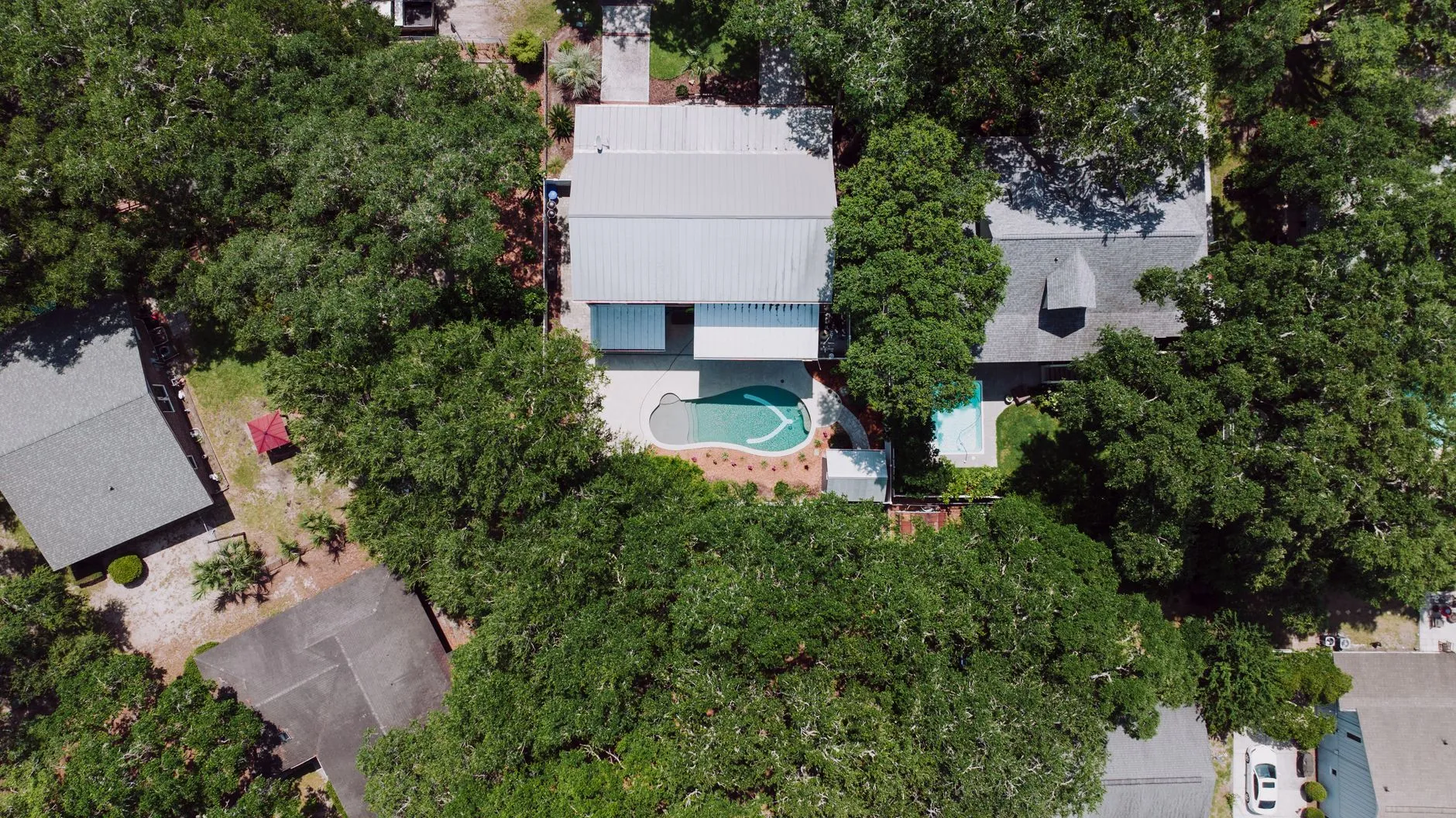
South Carolina Wind Pool Explained: How the SC Wind and Hail Underwriting Association Works for Lowcountry Homeowners
If you own a home near the South Carolina coast — in Bluffton, Beaufort, Hilton Head Island, or anywhere along the Lowcountry shoreline — you may have heard the phrase “wind pool” come up when shopping for homeowners insurance. It can sound complicated, but the core idea is straightforward: some properties in coastal areas have a hard time attracting wind and hail coverage from standard carriers, and the South Carolina Wind and Hail Underwriting Association (SCWHUA) exists to fill that gap.
This post explains what the wind pool is, who qualifies, how a split-policy arrangement works in practice, and what you should review before a storm season arrives.
What Is the South Carolina Wind Pool — and What Does It Actually Cover?
The SCWHUA is South Carolina’s insurer of last resort specifically for wind and hail coverage in designated coastal areas. That distinction matters enormously: the wind pool is not a full homeowners policy. It does not cover fire, theft, liability, water damage from a burst pipe, or any of the other perils a standard homeowners policy addresses. It covers wind and hail — period.
South Carolina has no FAIR Plan (the kind of broad residual-market policy some other states offer). If a coastal homeowner cannot obtain wind and hail coverage from a voluntary-market carrier, the SCWHUA steps in for that specific peril only. Everything else — your dwelling coverage for non-wind perils, your personal property, your liability protection — must come from a separate homeowners policy through a standard or surplus-lines carrier.
This means many Lowcountry homeowners end up with what’s called a split policy arrangement: one policy through the wind pool for wind and hail, and a companion homeowners policy for everything else. Understanding how those two pieces interact is one of the most important things you can do as a coastal property owner.
Who Is Eligible? It’s About the Property, Not the ZIP Code
Eligibility for the South Carolina wind pool is determined property by property based on its physical location relative to the designated coastal zone — not simply by ZIP code. Two homes on the same street in Beaufort County could have different eligibility outcomes depending on their precise position relative to the boundary.
In general, to be eligible for the SCWHUA, a property must:
- Be located within the designated coastal area as defined by South Carolina law
- Be insurable (meeting basic underwriting standards for condition and construction)
- Be unable to obtain adequate wind and hail coverage through the voluntary market at a reasonable price
Because eligibility is tied to a property’s specific location, the only reliable way to know whether your home qualifies is to have a licensed agent look up your address against the current designation. Don’t assume that because your neighbor uses the wind pool — or doesn’t — your situation is identical.
For the official regulatory framework governing the SCWHUA, you can review information through the South Carolina Department of Insurance.
How a Split Policy Works in Practice: A Bluffton Example
Imagine a homeowner on a tidal creek in Bluffton whose property sits within the designated coastal zone. When she shops for coverage, she finds that voluntary-market carriers are either unwilling to offer wind and hail coverage for her location or are offering it at terms that don’t meet her needs. Here’s how her coverage ends up structured:
Wind pool policy (SCWHUA): Covers wind and hail damage to the dwelling and, depending on the policy form, possibly other structures. Her deductible for wind and hail is separate from anything on her companion policy — and in coastal SC, that deductible is typically expressed as a percentage of the insured dwelling value rather than a flat amount. A licensed GSP agent will confirm the exact figure and how it’s calculated.
Companion homeowners policy: Covers fire, lightning, water damage from internal sources, theft, personal property, liability, additional living expenses if she has to leave the home after a covered loss, and all other perils not excluded. Her all-other-perils (AOP) deductible on this policy applies to those losses.
The critical thing to understand: if a hurricane makes landfall and damages her roof, both policies are potentially in play — but only the wind pool policy responds to the wind and hail damage. The companion carrier handles everything else. Coordination between the two is essential, and gaps between the policies can create real problems if the documents aren’t aligned.
For a deeper look at how these deductibles interact, see our post on homeowners insurance deductibles — AOP, wind/hail, and named storm coverage.
The Named-Storm Deductible Wrinkle
One detail that catches many Lowcountry homeowners off guard: not all wind and hail deductibles are the same. Some policies — both wind pool and voluntary-market — use a named-storm or hurricane deductible that only triggers when a named tropical system is responsible for the loss. Others use a broader wind/hail deductible that applies to any wind event, from a severe thunderstorm to a direct hurricane hit.
The wording matters because it determines how much you pay out of pocket when you file a claim. A severe squall line rolling through the Lowcountry in July is not a named storm — so if your deductible is hurricane-specific, the standard AOP deductible might apply instead. Or vice versa, depending on how the policy reads.
We cover this topic in detail in our post: Hurricane or Wind/Hail? Why Your Home Insurance Deductible Wording Really Matters.
What to Check Before Storm Season
Whether you’re already in a split-policy arrangement or just starting to explore coverage options, here are the key things to review with your agent:
1. Confirm your property’s eligibility status. Don’t assume — have an agent verify your specific address against the current coastal zone designation.
2. Understand what the wind pool policy does and does not cover. Ask which structures are included, what the policy form says about personal property, and whether any endorsements are available.
3. Read both deductibles side by side. Know your wind/hail deductible, your AOP deductible, and whether any named-storm trigger applies. These numbers are distinct and can significantly affect your out-of-pocket cost after a major event.
4. Check for coverage gaps between the two policies. Are both policies aligned on the same dwelling value? Is there any overlap or, more dangerously, any gap in what each policy covers? Your agent should review both documents together.
5. Don’t forget flood — it’s separate from both. Standard homeowners policies and the wind pool do not cover flooding. Storm surge from a hurricane, for example, is a flood event, not a wind event. Flood coverage requires a separate policy, typically through the National Flood Insurance Program or a private flood carrier. This is one of the most common and costly misunderstandings among coastal homeowners.
6. Review your companion policy’s wind exclusion language. Make sure the homeowners policy you’re pairing with the wind pool explicitly excludes wind and hail (so there’s no ambiguity about which policy pays which loss) but covers everything else you need.
For a full overview of homeowners insurance options in Bluffton and the broader Lowcountry, including how independent agents compare carriers for coastal properties, start there.
Why an Independent Agent Makes a Difference Here
Navigating a split-policy arrangement — coordinating the wind pool with a companion carrier, reconciling deductibles, and making sure there are no gaps — is genuinely more complex than buying a single standard homeowners policy. An independent agent who works regularly with coastal South Carolina properties understands the nuances of the SCWHUA, knows which companion carriers write policies that align well with a wind pool form, and can make sure both pieces of your coverage puzzle fit together before you need to file a claim.
The Insurance Information Institute is a useful general reference for understanding how residual markets and coastal coverage work at a national level — but your specific situation depends on your property’s location, its construction, and the current state of the Lowcountry market.
Let’s Make Sure Your Coverage Fits Together
If you own or are purchasing a home in coastal South Carolina and aren’t certain whether you’re in the wind pool, whether your two policies are properly coordinated, or whether your deductibles are what you think they are — those are exactly the conversations a GSP agent is here to have with you. No pressure, no jargon, just a straightforward look at your specific address and what coverage makes sense for your situation.
Reach out to the GSP team in Bluffton anytime. We’re happy to walk through the pieces with you before storm season makes it urgent.