
Coverage Explained
What Other Structures Coverage Actually Does on Your Homeowners Policy
By Tyler Grizzle , Founding Partner · GSP Insurance Group ·
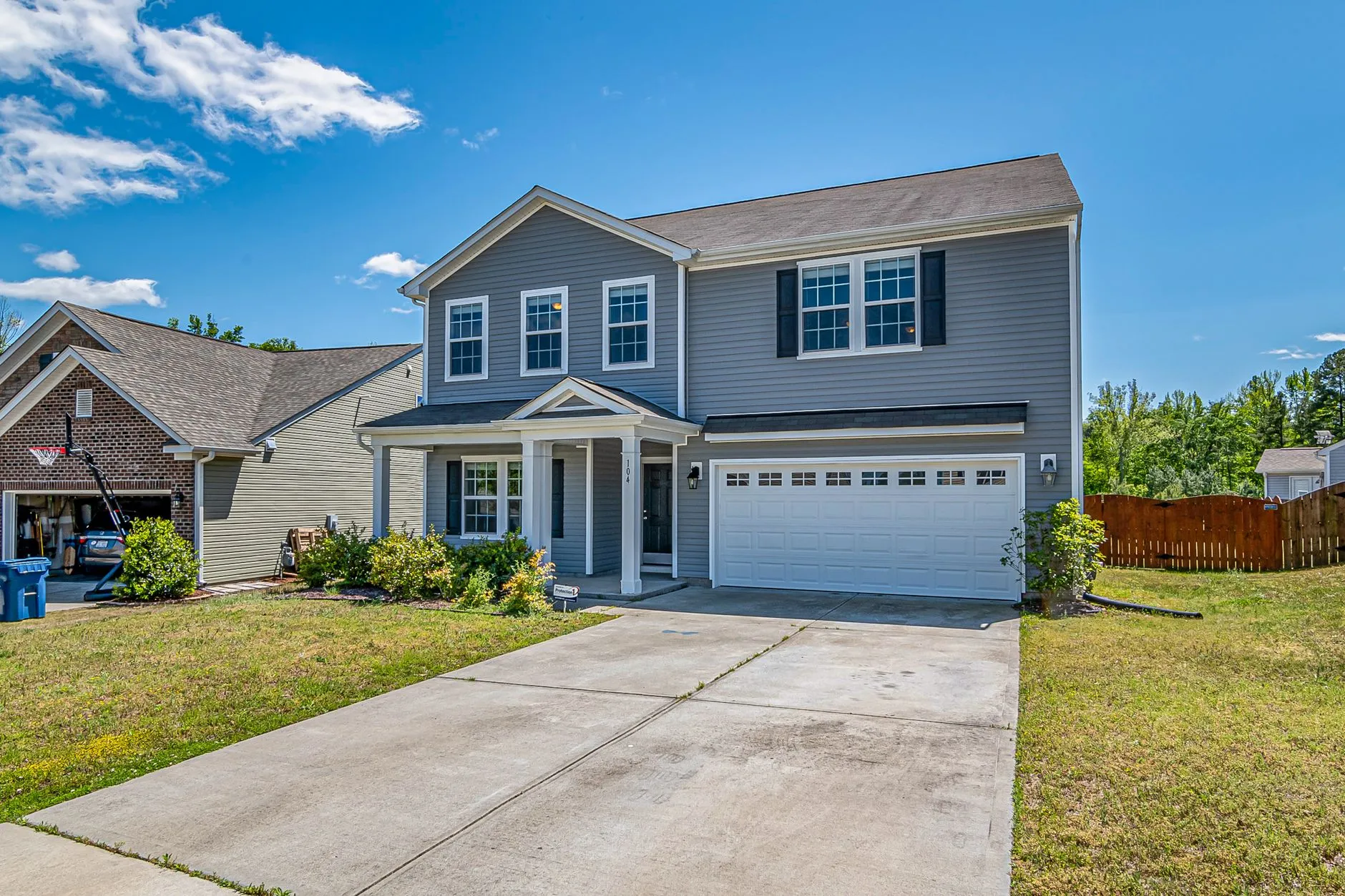
That Detached Garage, Dock, or Fence — Is It Actually Covered?
You bought homeowners insurance to protect your home. But what about everything around your home — the detached garage where you store your boat, the wooden privacy fence along the property line, the storage shed tucked behind the palmetto trees, or the dock stretching out over the marsh? These structures matter, and most homeowners never think about them until something goes wrong.
Here is the direct answer: Coverage B — Other Structures is the part of your standard homeowners insurance policy designed to protect buildings and structures on your property that are separate from your main dwelling. If a named storm damages your detached garage in Bluffton or a fallen oak takes out your backyard fence, other structures coverage is what responds — up to its limit, and subject to the same exclusions that apply to the rest of your home insurance policy.
But there is more to it than that, and the details matter enormously for Lowcountry homeowners. Let’s walk through what Coverage B actually covers, what it excludes, and where you may have a gap you don’t know about.
What Counts as an “Other Structure” Under Your Home Insurance Policy?
The standard homeowners insurance policy defines other structures broadly: any structure on your property that is separated from the main dwelling by a clear space, or connected only by a fence, utility line, or similar connection. Common examples include:
- Detached garages or carports
- Freestanding storage sheds
- Fences, retaining walls, and driveways
- Gazebos, pergolas, and outbuildings
- In-ground pools and pool enclosures
- Docks, piers, and bulkheads (with important caveats — more on those below)
What does not qualify? Any structure used primarily for business purposes, or any structure rented to someone other than a tenant of the main dwelling, is typically excluded from other structures coverage under a standard policy form. If you run a home office in a separate studio building and clients visit regularly, that structure may not be covered the way you expect. A licensed GSP agent can help you evaluate whether a separate endorsement or commercial policy is appropriate.
How the Coverage Limit Is Calculated — and Why It Often Falls Short
Other structures coverage is almost always expressed as a percentage of your dwelling coverage (Coverage A). Under standard homeowners policy forms, that figure is typically set at ten percent of your Coverage A limit. So if your home is insured for a given amount, your other structures coverage is a fraction of that — one pool of money spread across every detached structure on the property.
For many Lowcountry homeowners, that sublimit simply is not enough. Consider a Hilton Head Island property with a detached two-car garage, a separate guest cottage, a dock extending over a tidal creek, and a bulkhead along the marsh edge. Each of those structures has real replacement cost. When you add them together, the standard sublimit may cover only a portion of what it would cost to rebuild after a major storm event. That gap is real, and it is common.
The good news: most carriers will allow you to increase your other structures coverage limit by endorsement if the standard amount is inadequate. A conversation with a licensed GSP agent — ideally before storm season — is the right time to review your declarations page and compare your actual structures against your current structures coverage limit.
Coverage B limits and exclusions vary by carrier and policy form. Always review your specific declarations page and consult a licensed producer to confirm what applies to your situation.
The Coastal SC Exclusions That Can Leave You Exposed
This is where other structures coverage gets complicated for South Carolina coastal homeowners — and where the stakes are highest.
Flood is not covered. A standard homeowners insurance policy — including its other structures coverage — does not pay for flood damage. That means storm surge from a hurricane, tidal flooding from a Lowcountry creek, or even heavy rainfall that overwhelms drainage on your property is excluded. Flood coverage for structures typically requires a separate flood insurance policy, most commonly through the National Flood Insurance Program (NFIP). You can learn more about what NFIP policies cover at floodsmart.gov.
For structures like docks, piers, and bulkheads, the situation is even more nuanced. The NFIP has specific rules about what detached structures and appurtenant structures are eligible for coverage. A dock sitting over tidal water may fall outside the scope of both your homeowners policy and a standard flood policy — leaving it uninsured unless you have addressed that gap directly.
Wind and hail carry a separate deductible. In coastal South Carolina, most homeowners insurance policies include a named-storm or wind/hail deductible that is separate from your standard all-perils deductible — and it typically applies to other structures the same way it applies to your main dwelling. This deductible is not a flat dollar figure; it is calculated as a percentage of your insured value. That means the out-of-pocket amount before your home insurance responds to a wind loss on a detached structure can be substantial. A licensed GSP agent will confirm exactly how your wind deductible is structured and what triggers it.
Business-use exclusions apply here too. As noted above, if a structure on your property is used for business, the standard other structures coverage may not respond. Rental income, home-based businesses, and short-term rental arrangements (common in Hilton Head and Bluffton vacation markets) can all affect whether Coverage B applies.
A Real Lowcountry Scenario: The Beaufort Marsh-Front Property
Imagine a homeowner on Lady’s Island, just outside Beaufort, with a marsh-front lot. Their property includes a detached workshop, a floating dock connected to the marsh, a wood-and-cable fence along the perimeter, and a small garden shed. A late-season tropical storm pushes a surge event into the marsh and the dock sustains significant damage. Wind also tears the roof off the workshop.
Here is how other structures coverage interacts with that scenario:
- The dock damage from storm surge — almost certainly excluded from the homeowners insurance policy as flood damage. Whether the NFIP flood policy covers the dock depends on how it is structured and whether appurtenant structures were included in that policy.
- The workshop roof from wind — this could be covered under Coverage B of the homeowners policy, but the named-storm wind deductible applies first. If the workshop’s replacement value is modest relative to the deductible, the net claim payout may be small.
- The fence — wind or storm damage to a fence is generally a covered peril under other structures coverage, again subject to the wind deductible and the overall Coverage B sublimit.
The takeaway: the same storm can trigger three different coverage outcomes for three structures on the same property. Understanding how your home insurance policy handles each structure before a loss — not after — is the difference between a manageable situation and a costly surprise.
Common Mistakes Homeowners Make With Structures Coverage
Assuming the standard sublimit is adequate. Many homeowners never check whether their Coverage B limit reflects the actual replacement cost of their other structures. This is especially true after adding a new outbuilding, expanding a garage, or building a dock.
Forgetting to update the policy after improvements. If you added a guest cottage or upgraded your pool enclosure last summer, your other structures coverage may not reflect the new replacement cost unless you notified your carrier.
Treating personal property stored in detached structures the same as Coverage B. Other structures coverage pays to repair or rebuild the structure itself. The tools, equipment, and personal belongings inside a detached garage are covered under a different part of your policy — Coverage C (Personal Property) — and that coverage has its own limits and sublimits. These are two separate pools of protection.
Overlooking business-use issues. If your short-term rental guests occasionally use your detached structure, or if you operate any commercial activity from an outbuilding, the standard other structures coverage exclusion for business use may apply. Talk to a licensed GSP agent about whether an endorsement or separate policy is needed.
The Insurance Information Institute offers a helpful overview of standard homeowners policy structure for homeowners who want to understand how Coverage A through F interact before sitting down with an agent.
Talk to a GSP Agent Before Your Structures Are at Risk
Other structures coverage is one of those parts of your homeowners insurance policy that is easy to overlook — right up until you need it. For Lowcountry homeowners especially, where docks, outbuildings, and marsh-side structures are part of everyday life, the standard structures coverage sublimit and coastal exclusions deserve a careful look.
At GSP Insurance Group, our agents know the Bluffton, Hilton Head, Beaufort, and surrounding coastal SC markets well. We are not here to sell you coverage you do not need — we are here to make sure the coverage you have actually matches what you own and what you stand to lose.
If you have not reviewed your Coverage B limit recently, or if you have added structures since your last policy renewal, reach out to a licensed GSP agent. We will walk through your declarations page with you, flag any gaps in your other structures coverage, and make sure your home insurance policy reflects the full picture of your property.