
Coverage Explained
Do I Need Flood Insurance If I'm Not in a Flood Zone?
By Tyler Grizzle , Founding Partner · GSP Insurance Group ·
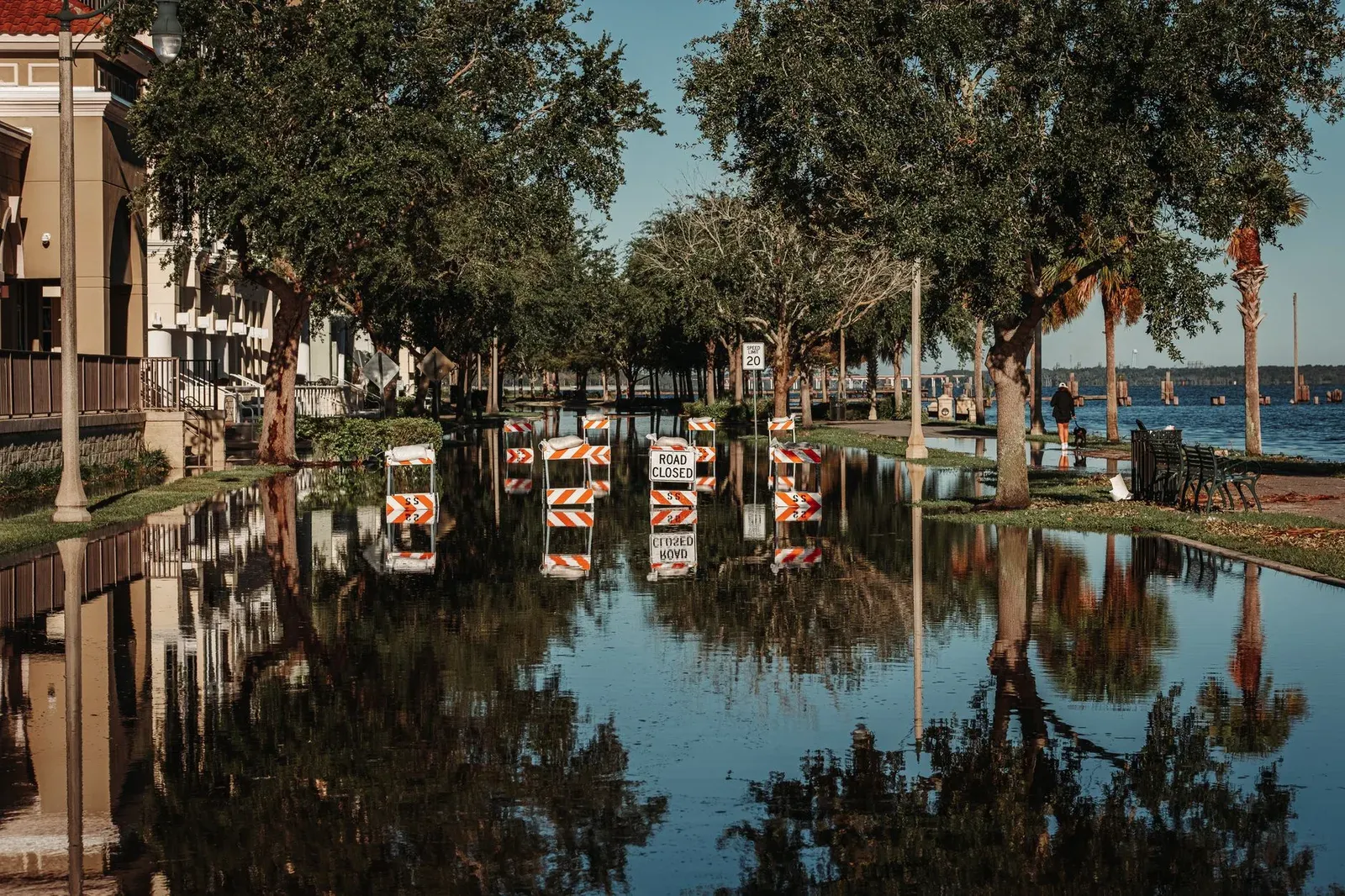
It’s a common assumption: “I’m not in a flood zone, so I don’t need flood insurance.” In a coastal area like Bluffton, Hilton Head, and Beaufort County, that assumption can be an expensive one. A meaningful share of flood claims come from properties outside high-risk zones — and your homeowners policy won’t cover the damage either way.
Do you need flood insurance if you’re not in a high-risk zone?
Often, yes — and it’s usually more affordable there. Being outside a high-risk flood zone means lower mapped odds, not zero risk. Homeowners insurance excludes flood entirely, so without a separate flood policy, rising-water damage from heavy rain, surge, or tidal flooding comes straight out of your pocket. In the Lowcountry, where water is everywhere, that’s a gap worth closing on purpose.
What does “not in a flood zone” actually mean?
Every property sits somewhere on FEMA’s flood maps, which sort areas into high-, moderate-, and minimal-risk categories based on historical data, elevation, and modeling.
| Zone type | What it means |
|---|---|
| High risk (SFHA) | ~1% annual flood chance — the “100-year floodplain”; lenders usually require coverage |
| Moderate | Lower but real risk, between the 100- and 500-year floodplains |
| Minimal | Outside the 500-year floodplain — limited, not zero, risk |
The key word is probability. A flood map shows the historical odds; it doesn’t guarantee your home won’t flood. Maps can also be outdated, they’re periodically redrawn, and they rarely capture localized drainage problems on your specific street.
Why do homes outside high-risk zones still flood?
Plenty of Lowcountry flooding has nothing to do with where the mapped lines fall:
- Heavy rainfall that overwhelms storm drains and retention ponds — common in Lowcountry downpours and summer thunderstorms.
- Storm surge from hurricanes pushing water inland past mapped boundaries.
- King tides and increasingly frequent tidal flooding that put water on low-lying roads and properties with no rain at all.
- Development and runoff — new pavement and rooftops shed water into areas that used to absorb it.
- Blocked or undersized drains that back up during brief, intense storms.
If your street has ever held water after a hard rain, your home has flood exposure the map may not fully reflect.
Why doesn’t homeowners insurance cover flood?
This is the part that catches people: a standard homeowners policy excludes flood damage from rising water. If water enters from outside — rain runoff, an overflowing creek, or storm surge — it’s generally not covered.
| Typically excluded by homeowners | |
|---|---|
| Flood / rising water | Storm surge |
| Surface-water runoff entering the home | Sewer backup (unless added) |
Flood policies define a flood specifically — a temporary inundation of normally dry land affecting two or more properties (or two or more acres) — covering events like tidal or inland overflow, surface-water runoff, storm surge, and mudflow. It’s a different policy for a different peril, which is exactly why you need both. Our homeowners coverage page explains what the home policy does cover.
What does flood insurance cost outside high-risk zones?
The good news: flood insurance is often more affordable outside high-risk zones. Premiums depend on a few things:
- Your flood zone and the property’s risk rating
- Your home’s elevation relative to the base flood elevation
- Foundation type (slab, crawlspace, elevated/piling)
- The building and contents coverage limits you choose
Elevated homes and those above the base flood elevation generally see better rates. We have not quoted your home, so the only way to know your number is to price it — but in lower-risk zones, the cost of peace of mind is frequently modest.
NFIP or private flood — which should you consider?
Flood coverage comes from two main places: the federal National Flood Insurance Program (NFIP) and a growing private flood market. They differ on coverage limits, how quickly a policy can take effect, and what extras (like loss of use) they include. We compare them in detail in NFIP vs. private flood policies. As an independent agency, we can look at both and help you weigh which fits your home.
The Lowcountry reality
Bluffton, Hilton Head, and Beaufort County sit among tidal creeks, marshland, and the Atlantic. Storm surge, heavy rain, increasingly frequent tidal flooding, and rapid development all create flood exposure that mapped high-risk lines don’t fully capture. Water is the defining risk of living here — and it’s worth insuring on purpose, not by accident.
How should you decide?
Ask yourself a few honest questions:
- Could you comfortably repair your home after a flood out of pocket?
- Would replacing damaged belongings strain your finances?
- How would an unexpected five-figure repair affect your plans?
- Does your street or neighborhood hold water after heavy rain?
If the answers make you uneasy, voluntary flood coverage is usually affordable in lower-risk areas and removes a lot of uncertainty during storm season. Keep one thing in mind: most flood policies have a waiting period before coverage takes effect, so the time to buy is well before a storm is in the forecast — not when one is.
Frequently asked questions
Do I need flood insurance if my lender doesn’t require it? You may still want it. Floods happen outside required zones, and coverage protects your home and finances regardless of the mandate.
Will flood insurance cover heavy rain or storm surge? Yes — flood policies cover rising water, including heavy rain and storm surge, which homeowners insurance does not.
Can I buy flood insurance if I’m not in a high-risk zone? Yes, and it’s often cheaper there. Coverage is available in any zone.
Is there a waiting period? Usually, yes. Many flood policies don’t take effect immediately, so it’s best to put coverage in place before storm season rather than when a storm is approaching.
Learn more on our flood insurance page, see how homeowners and flood fit together, start a quote, or contact us and we’ll help you weigh the options for your home.