
Local Insights
Homeowners Insurance Hilton Head: A Coastal Coverage Guide
By Tyler Grizzle , Founding Partner · GSP Insurance Group ·
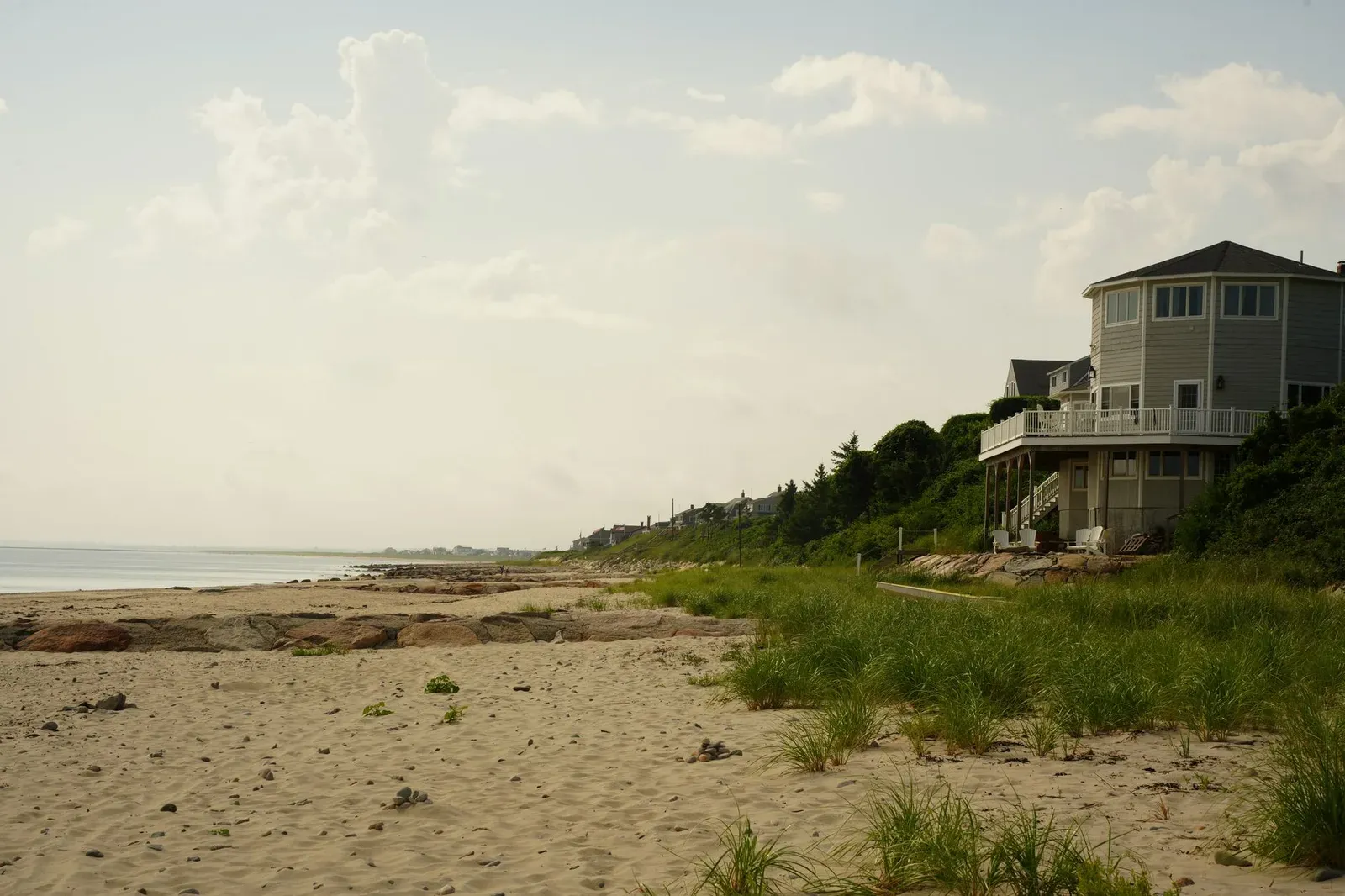
Owning a home on Hilton Head Island comes with a particular set of risks — and a particular set of coverage decisions. Wind, flood, and salt air all behave differently than the everyday perils a standard policy is built around, so it’s worth understanding where the gaps tend to show up before a storm finds them for you.
What does homeowners insurance on Hilton Head actually need to cover?
A Hilton Head policy needs to handle three island-specific exposures a standard inland policy doesn’t: wind (often under a separate hurricane or named-storm deductible), flood (excluded from homeowners and requiring its own policy), and the slow corrosion of salt air. Knowing how each is treated — and where they’re not covered — is the difference between feeling protected and being protected.
What are the main coastal risks on the island?
Wind. Hurricanes and strong storms can damage roofs, windows, siding, and detached structures. Wind is usually a covered peril, but it’s often subject to a separate deductible (more on that below).
Flood. Properties near Broad Creek, Coligny, the marshes, and the island’s many lagoons can take on water quickly during storms and high tides. Flood is not covered by a homeowners policy and needs its own dedicated coverage.
Salt air. This one is easy to overlook. Salt continuously corrodes metal, paint, and wood, creating slow, long-term wear that homeowners often don’t notice until repairs get expensive. Insurance covers sudden, accidental damage — not gradual corrosion or maintenance — so salt-air wear is largely an upkeep responsibility, which makes regular maintenance part of protecting both your home and your claims record.
How do hurricane deductibles work in South Carolina?
This is the number to check first on any coastal quote. On the coast, hurricane and named-storm deductibles are typically a percentage of your home’s insured value rather than a flat dollar amount.
| Deductible type | How it’s set | When it applies |
|---|---|---|
| All-other-perils (AOP) | A flat dollar amount | Fire, theft, most everyday claims |
| Wind/hail | Often a percentage of dwelling limit | Wind and hail damage |
| Hurricane / named storm | A percentage of insured value | Damage from a named storm |
Because the hurricane deductible is a percentage, even a low-single-digit figure can translate into a substantial out-of-pocket cost on a higher-value island home before coverage begins. The wording matters, too — “hurricane” versus “named storm” versus “wind/hail” can trigger at different points. We break that down in our guides to how home insurance deductibles work and why deductible wording matters.
How do FEMA flood zones affect a Hilton Head home?
FEMA periodically updates its flood maps for the island, and those updates can change a property’s base flood elevation and risk category — sometimes increasing exposure for homes that previously looked lower-risk.
Standard homeowners policies exclude flood in South Carolina, and high-risk FEMA zones (such as A or V zones) generally require a separate flood policy — often as a condition of a mortgage. But mapped zones aren’t the whole story: homes outside high-risk lines still flood from heavy rain, surge, and tidal flooding. We dig into that in do I need flood insurance if I’m not in a flood zone?
It also helps to know the difference between rising water — groundwater, surface runoff, or storm surge, which needs flood insurance — and wind-driven rain entering through a damaged window or roof, which may only be covered if your policy specifically includes it.
What coverage gaps do island homeowners discover too late?
Many Hilton Head homeowners find these only after a storm:
- Flood damage — needs a separate flood policy.
- Wind-driven rain — may be limited or excluded depending on policy wording.
- High hurricane deductibles — the surprise out-of-pocket figure after a named storm.
- Water or sewer backup — often limited unless you add it.
- Short-term/vacation rental liability — if you rent the home out, standard policies usually won’t cover guest-related claims.
Reviewing your policy each year before storm season is the simplest way to catch these while you can still fix them.
What other coverages are worth considering?
- Flood insurance — for most island homes, essential. See our flood insurance page and NFIP vs. private flood comparison.
- Sewer/water backup — protects against backups during heavy rain and overwhelmed systems.
- Ordinance or law — helps cover the added cost of rebuilding to current code, which matters for older island homes. More in our ordinance or law guide.
- Extended or guaranteed replacement cost — helps when rebuild costs spike after a widespread storm. See extended replacement cost.
- Vacation rental liability — if you rent the property, standard policies usually won’t cover guest-related claims.
What affects your homeowners premium on Hilton Head?
Rates depend on a mix of property and market factors:
- Proximity to the beach, marsh, or creek — closer generally means higher wind and flood exposure.
- Your home’s value and rebuild cost — and whether your dwelling limit reflects today’s construction costs.
- Roof age and construction — older roofs draw more scrutiny; newer, storm-rated roofs can earn discounts. See roof age rules.
- Your chosen limits and deductibles.
- Broader market pressures — rising rebuild costs and recent regional storm activity affect everyone’s rates.
Upgrades such as hurricane-resistant windows, a newer roof, storm shutters, and leak-detection systems can lower both your risk and your premium.
Frequently asked questions
What does homeowners insurance typically exclude on Hilton Head? Flood and wind-driven rain are the common exclusions, each requiring separate or added coverage. Gradual salt-air corrosion is also excluded as maintenance.
Is flood insurance necessary near Broad Creek or Coligny? For most homes in those areas, yes — they sit in higher-risk flood areas and see flooding during storm season. But even homes outside mapped high-risk zones can flood.
How is a hurricane deductible different from my regular deductible? Your regular (AOP) deductible is a flat dollar amount. The hurricane or named-storm deductible is usually a percentage of your insured value and applies only to storm damage, so it can be much larger.
How can I reduce my premium? Roof and window upgrades, storm shutters, leak detection, a claims-free history, and bundling policies all help.
For the full picture, see our homeowners coverage page and flood insurance page. You can start a quote or reach out and we’ll review your policy together.