
Coverage Explained
Lightning and Power Surge Damage: What Your SC Home Insurance Policy Actually Covers
By Tyler Grizzle , Founding Partner · GSP Insurance Group ·
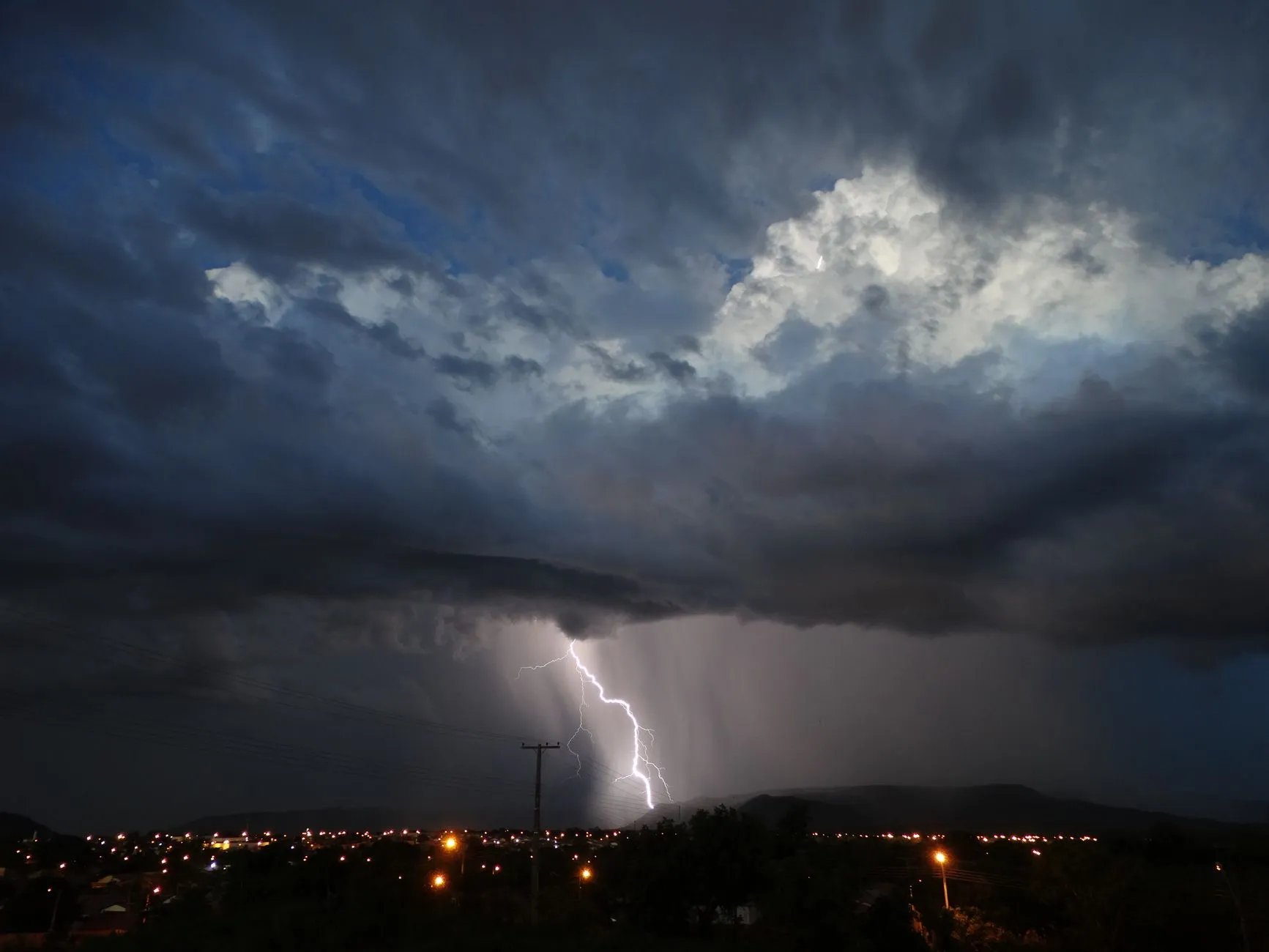
The Scenario: A Summer Storm Rolls Through Bluffton — and Takes Your Electronics With It
It’s a Tuesday evening in late July. A fast-moving thunderstorm sweeps across Bluffton’s Berkeley Hall neighborhood. Lightning strikes a transformer on your street. The power flickers, surges, and comes back — but your 65-inch TV, your home office desktop, your smart home hub, and the refrigerator with the fancy touchscreen panel are all dead.
You call GSP the next morning and ask the question every Lowcountry homeowner eventually asks: Does my home insurance cover this?
The plain answer: Yes — a standard home insurance policy typically covers sudden, accidental surge damage to personal property caused by a lightning strike or the power surge that follows. But the details matter a great deal, and there are meaningful gaps that can leave you holding the repair bill if you’re not prepared.
Let’s walk through exactly how the coverage works, where the insurance policy stops, and what you can do to protect yourself.
How Your Standard Insurance Policy Responds to Lightning and Surge Damage
A standard home insurance policy is built around a set of named perils — specific causes of loss the policy agrees to cover. Lightning is one of those named perils, and it has been a covered cause of loss in standard policies for decades.
When lightning strikes your home — or a nearby utility line that sends a surge into your home — damage to covered personal belongings falls under Coverage C (Personal Property) of your insurance policy. That includes electronics like televisions, computers, gaming systems, sound equipment, and smart appliances.
Here’s how a typical claim flows:
- You document the damage (photos, serial numbers, receipts if you have them).
- You file a claim with your carrier.
- Your carrier assigns an adjuster to assess the loss.
- A payout is made — minus your deductible — based on either the actual cash value (ACV) or the replacement cost value (RCV) of the damaged items, depending on how your policy is written.
That ACV vs. RCV distinction matters more than most people realize. If your insurance policy pays ACV, it factors in depreciation — so that four-year-old laptop might pay out far less than what a comparable new one costs today. If you have replacement cost coverage on your personal property, you’d receive enough to buy a comparable new item. A licensed GSP agent can confirm exactly how your policy handles this.
The Coverage C Limits That Catch Homeowners Off Guard
Personal property coverage under Coverage C has two layers of limits you need to understand.
First, there’s your overall Coverage C limit — the maximum your insurance policy will pay across all personal property in a single loss. For most homeowners this feels like plenty, right up until a single event takes out thousands of dollars of electronics at once.
Second — and this one trips up a lot of homeowners — Coverage C includes sub-limits for certain categories of property. Electronics as a general category usually aren’t sub-limited, but some high-value or specialty items can be. More importantly, if you run a home-based business, the computers and equipment you use for work may be subject to a much lower sub-limit under a standard home insurance policy. Home office equipment is a common gap. If that’s your situation, talk to a GSP agent about a business-property endorsement or separate coverage.
The Insurance Information Institute has clear guidance on how personal property coverage works and where these sub-limits typically apply — it’s worth understanding before you ever need to file a claim.
Power Surges: The Gray Area You Need to Know About
Here’s where many homeowners get confused — and sometimes disappointed.
A direct lightning strike is almost universally covered under home insurance. But a secondary power surge — the kind caused by a nearby strike, a utility company switching issue, or a momentary grid fluctuation — may be treated differently depending on your insurance policy’s language and your carrier.
Some policies cover power surges caused by lightning without question. Others draw a distinction between surge damage caused by a strike itself versus surge damage that was only related to lightning nearby. The claim language your adjuster uses — “lightning” versus “electrical surge” — can actually affect the outcome.
The Lowcountry sees some of the most frequent lightning activity in the United States, with summer afternoons regularly bringing fast, powerful storms that arrive with little warning. That means power surges are a routine risk here, not a rare one. Understanding how your insurance policy defines and covers these events before storm season begins — not after — is the smart move. This is exactly the kind of conversation worth having with a GSP agent ahead of time.
What Home Insurance Does NOT Cover Here
Knowing what’s excluded is just as important as knowing what’s covered. Several scenarios fall outside a standard insurance policy:
Mechanical or electrical breakdown unrelated to a covered peril. If your HVAC system, refrigerator, or smart panel just stops working on its own — without any lightning or power surge event — that’s generally considered a maintenance or mechanical issue, not a covered loss. This is where equipment breakdown coverage becomes valuable. It’s an endorsement that covers internal mechanical or electrical failure that a standard home insurance policy excludes.
Gradual damage or wear and tear. A slow, ongoing voltage issue degrading your electronics over months isn’t a sudden, accidental loss — it’s typically excluded.
Flood damage to electronics. If the same storm that brought lightning also flooded your first floor and destroyed electronics on low shelves, the flood damage is not covered by your home insurance policy. Flood is a separate policy entirely, typically through the National Flood Insurance Program. Lowcountry homeowners should never assume their insurance policy covers rising water — it doesn’t.
Your deductible still applies. If your deductible is higher than the value of the damaged items, filing a claim may not make financial sense. A GSP agent can help you think through that calculation.
A Hilton Head Condo Owner Faces a Different Picture
If you own a condo at Palmetto Dunes on Hilton Head and the same surge event damages your electronics, the coverage picture shifts slightly. Your condo association carries a master insurance policy — but that policy almost certainly does not cover your personal belongings inside your unit. Your individual condo insurance picks up where the master policy ends, covering your personal property under Coverage C just as a standard home insurance policy would.
Understanding what your HOA’s master policy does and doesn’t cover is important groundwork before any storm hits. A GSP agent familiar with Hilton Head and Beaufort County condo structures can help you identify where that boundary sits — and whether you have any gaps worth closing.
Smart Steps Before the Next Storm Season
Being prepared before the next powerful storm rolls through matters more than scrambling after one passes. A few things worth doing now:
- Create a home inventory. Document your electronics — model numbers, purchase dates, estimated values — and store that information somewhere outside your home (a cloud folder works well). This makes a claim significantly smoother.
- Review your Coverage C limits and ACV vs. RCV status. Ask a GSP agent whether your personal property is covered at replacement cost or actual cash value. The difference in a payout can be substantial. Our post on ACV vs. RCV explains the mechanics in plain language.
- Ask about equipment breakdown coverage. If you have high-value home systems — a whole-home generator, sophisticated HVAC, smart-home infrastructure — this endorsement is worth understanding. It covers what your standard insurance policy does not.
- Use quality surge protection. The Insurance Institute for Business & Home Safety recommends whole-home surge protection at the electrical panel as a meaningful line of defense against power surges. Point-of-use protectors on individual devices add another layer.
- Know your deductible. Understand what you’d be paying out of pocket before a claim makes financial sense.
The Bottom Line — and a Low-Pressure Invitation
A standard SC home insurance policy is built to respond when lightning or direct surge damage takes out your electronics. Coverage C is there for exactly this kind of sudden, accidental loss. But the gaps — depreciation under ACV, the mechanical breakdown exclusion, power surge language nuances, and the flood exclusion — mean the details of your specific insurance policy matter enormously.
Power surges are not an edge case in the Lowcountry. They happen every summer, often multiple times a season. Knowing in advance how your home insurance responds — and where it stops — is the difference between a manageable claim and an unpleasant surprise.
If you’ve never had a GSP agent review your policy with these questions in mind, that conversation is worth having before thunderstorm season peaks. We’re not here to sell you coverage you don’t need — we’re here to make sure you understand what you have, what you don’t, and where you might have a gap worth closing.
Reach out to a GSP agent in Bluffton or Buford whenever you’re ready. No pressure, no obligation — just a plain-language conversation about your home and what’s actually protecting it.